For years, the most common advice from insurance agents has been: "Walk around your house with a camera and keep the images safe." While this advice is well-intentioned, the way most people put it into practice in 2026 has become terribly outdated and dangerous.
The myth of the "Invoices" folder on the Windows desktop
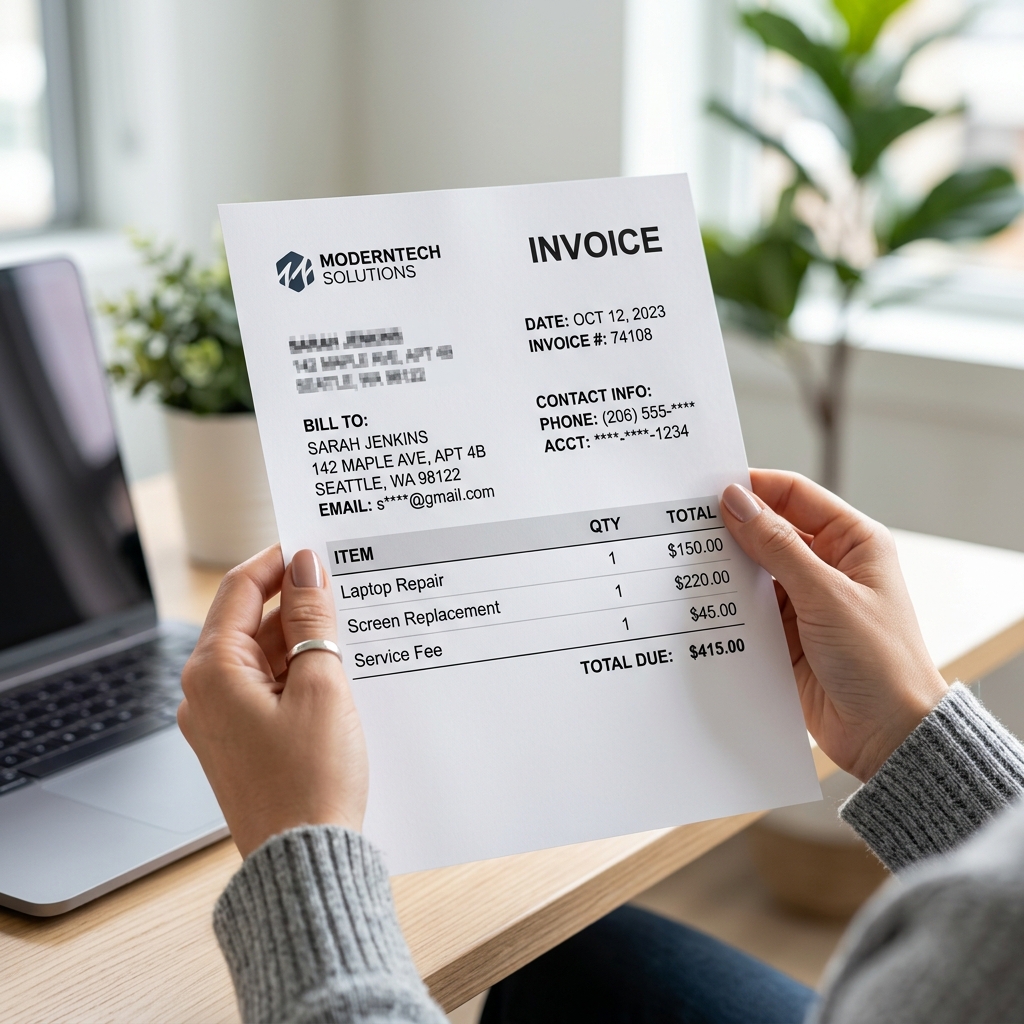
The most common mistake is to photograph one's belongings, scan one's invoices, and store everything in a folder cleverly named "Home Inventory" or "Insurance Invoices" on the family computer's desktop. The flaws in this method are multiple:
- Theft of equipment: In the event of a burglary, the laptop or external hard drive is one of the burglars' priority targets. Your belongings fly away, and the proof of their existence with them.
- Total disaster: In the event of a fire, the computer will melt along with your furniture.
- Technical failure: Hard drives have a limited lifespan. A mechanical failure, and 10 years of invoice archives are permanently lost if you do not have a strict off-site backup.
- Ransomware: Cyberattacks targeting individuals are exploding. Ransomware will encrypt your entire hard drive and demand a ransom to regain access to your own invoices.
Free public clouds: a false good idea
Aware of physical risks, many are turning to tech giants (Google Drive, Dropbox, iCloud) to store these files. This is an improvement against fires, but it raises major confidentiality issues.
When you upload photos of your jewelry, your hi-fi equipment, accompanied by your nominative invoices, your address, and your identity, you entrust these companies with a real "treasure map" of your wealth. These consumer platforms analyze your images via artificial intelligence for advertising profiling. Your data does not benefit from private encryption (only you hold the key). A malicious employee or a major security flaw on these platforms could expose the detailed list of everything you own, associated with your home address.
The 2026 standard: Private inviolable encryption
Faced with the increasing value of domestic technological goods and digital threats, the only truly secure method is the use of a dedicated digital safe specifically designed for wealth inventory, such as SafeInventa.
"Private encryption guarantees that you, and only you, hold the key to decrypt your data. Even the host or the software publisher cannot see the content of your invoices or the value of your assets."
Here is why this architecture is essential:
- Absolute confidentiality: No one can profile your wealth or use your data for marketing purposes.
- Resilient accessibility: Your evidence is hosted on ultra-secure servers in Europe. Whether you lose your phone, your computer is stolen, or your house burns down, your data awaits you, intact, as soon as you reconnect from a secure device.
- Two-factor authentication (2FA): Access to your digital assets is protected by a second security factor (mobile application or email), making password theft ineffective for hackers.
- Generation of compliant evidence: Unlike a messy folder, SafeInventa structures your data (Photo + Price + Date + Invoice) to generate a structured PDF in one click in the exact format expected by insurance adjusters, eliminating administrative back-and-forth.
Do not entrust the list of your most precious possessions to DIY solutions. Professionalize the management of your personal assets.